
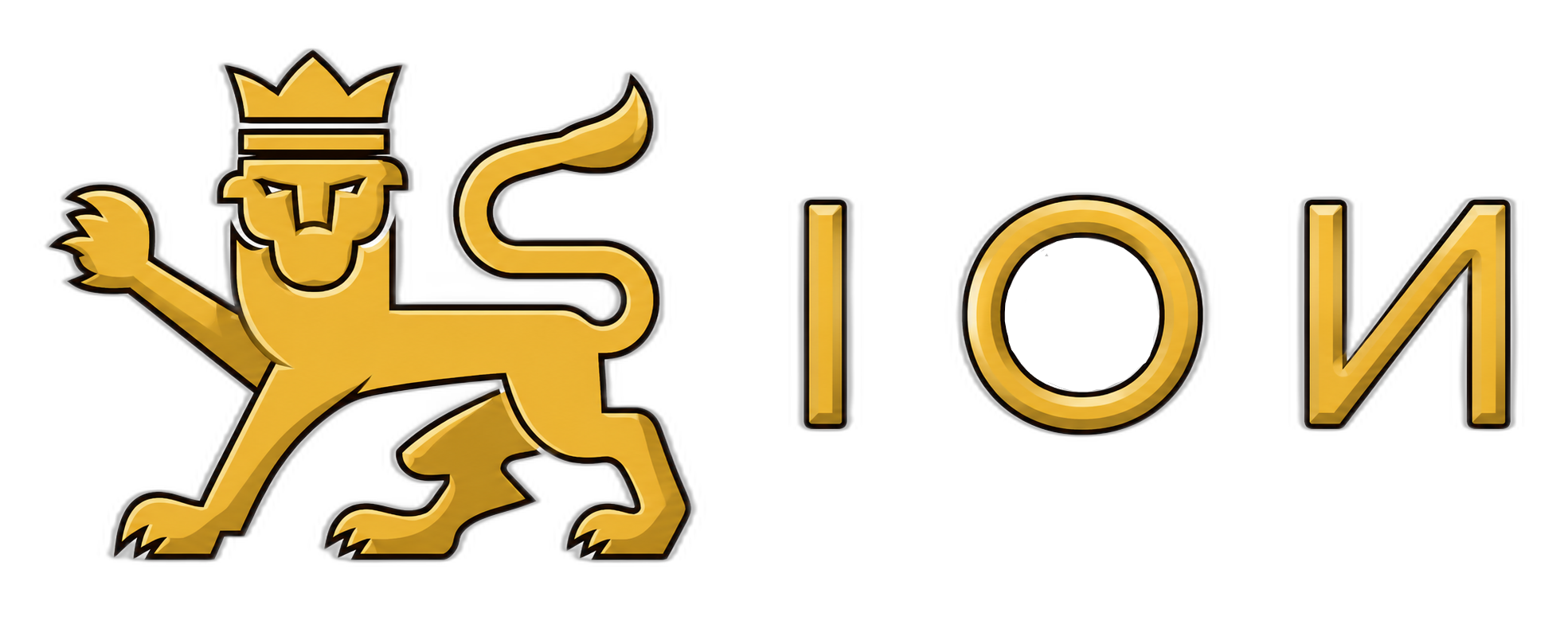
The document L’Énigme du « N » que l’on dit inversé (“The Enigma of the So-Called Inverted ‘N’”) analyzes the historical, symbolic, and esoteric meaning of the inverted letter “N” (“И”), found in numerous religious inscriptions, funerary crosses, works of art, and symbols connected to Christian and Hermetic traditions.
The author first explains that many so-called “inverted N” symbols are not necessarily mysterious signs, but rather derive from ancient medieval calligraphic and lapidary writing styles influenced by cursive handwriting or regional variants of the Latin alphabet. Some examples come from French epigraphs, manuscripts, and even from the Cyrillic alphabet.
The text then moves into the symbolic and esoteric dimension. The symbol “И” is interpreted as a representation of duality: life and death, birth and rebirth, visible and invisible, matter and spirit. According to the author, the relationship between N and И reflects an extremely ancient cyclical conception of existence already present in Pharaonic Egypt through the concept of “Nun,” the primordial ocean and cosmic principle associated with creation, regeneration, and the journey of the soul.
An important section of the essay connects the symbol to the figure of Christ. The “N” is said to have been associated with the Nazarene, while its reflected form “И” represents the transition from human nature to divine nature — namely death, resurrection, and return to the Father. In this sense, the symbol acquires a strong Christic and initiatory meaning.
The author also explores the connection between these symbols and the church of Saint-Sulpice in Paris, the meridian line, the solstitial gates, the symbolism of Janus, and various theories related to Rennes-le-Château, Henri Boudet, and Pierre Plantard. The letters N and И are interpreted as complementary poles defining temporal cycles, solar paths, and concepts of spiritual transformation.
In the final pages, the text proposes a symbolic synthesis: N and И do not merely represent opposites, but rather a continuous and unified movement. From their union emerges the form of the letter “M,” interpreted as a sign of the Grail, the Trinity, and hidden knowledge.
Overall, the document is a long historical-esoteric reflection combining linguistics, religious symbolism, mystical Christianity, Egyptian traditions, iconography, and interpretations connected to the mysteries of Rennes-le-Château, attempting to demonstrate that the “inverted N” is not merely a graphic curiosity, but an ancient symbol linked to resurrection, cyclical time, and the spiritual transformation of the human being.